We use Google Analytics to understand website usage and improve your experience. Analytics cookies are optional and will only be used with your permission.
Delve Underground is proud to have played a key role in the Long-Baseline Neutrino Facility (LBNF) Far Site Excavation Project, which was recognized with the Underground Construction Association 2026 Project of the Year Award for projects in the $100M–$500M category. The honor reflects the scale, complexity, and collaboration behind a project that is advancing both underground construction and scientific discovery.
Located within the historic Homestake Gold Mine in Lead, South Dakota, the LBNF project includes three large caverns, numerous connecting drifts and chambers, and a ventilation shaft for a deep underground particle detector. The facility is a key component of an international scientific collaboration focused on studying neutrinos—particles that may help researchers answer fundamental questions about our universe.
Delve Underground’s involvement in the project spans more than a decade. The firm initially assisted Fermilab with early concept planning for the underground laboratory, and later served as a key member of the project team, supporting preliminary design, final design, and engineering services during construction. Other major team members included Fermilab, Arup, Kiewit-Alberici Joint Venture, SURF, and Thyssen Mining, Inc.
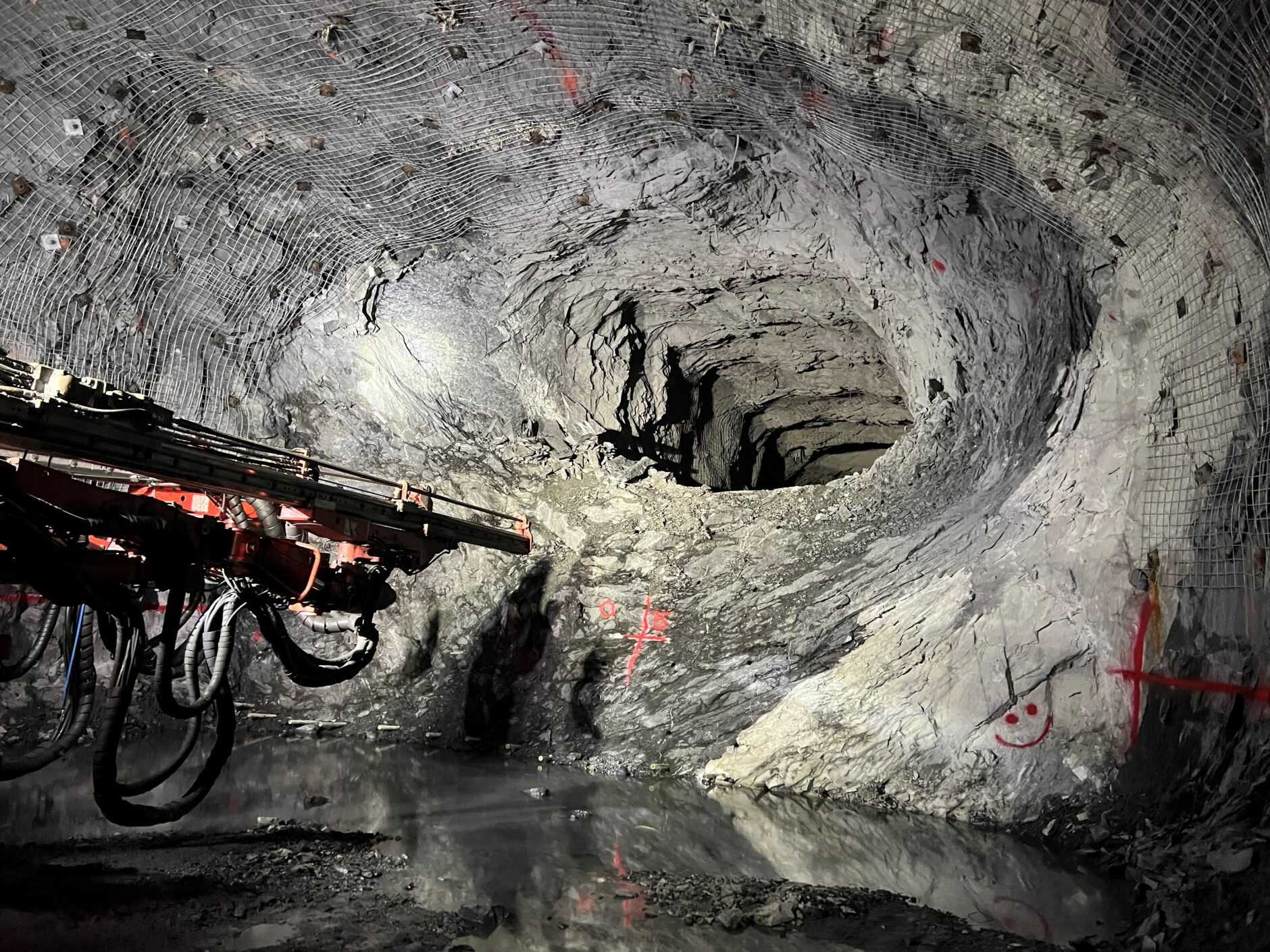
A bird’s-eye view of one of the large caverns (Credit: Matthew Kapust)
What makes the project especially noteworthy is the challenging environment in which it was built. Located nearly a mile underground in a high-stress, geologically complex rock mass, the project required the team to solve significant logistical, geotechnical, and construction challenges. The size of the excavations and the complex geometry of the drifts and chambers added to the difficulty.
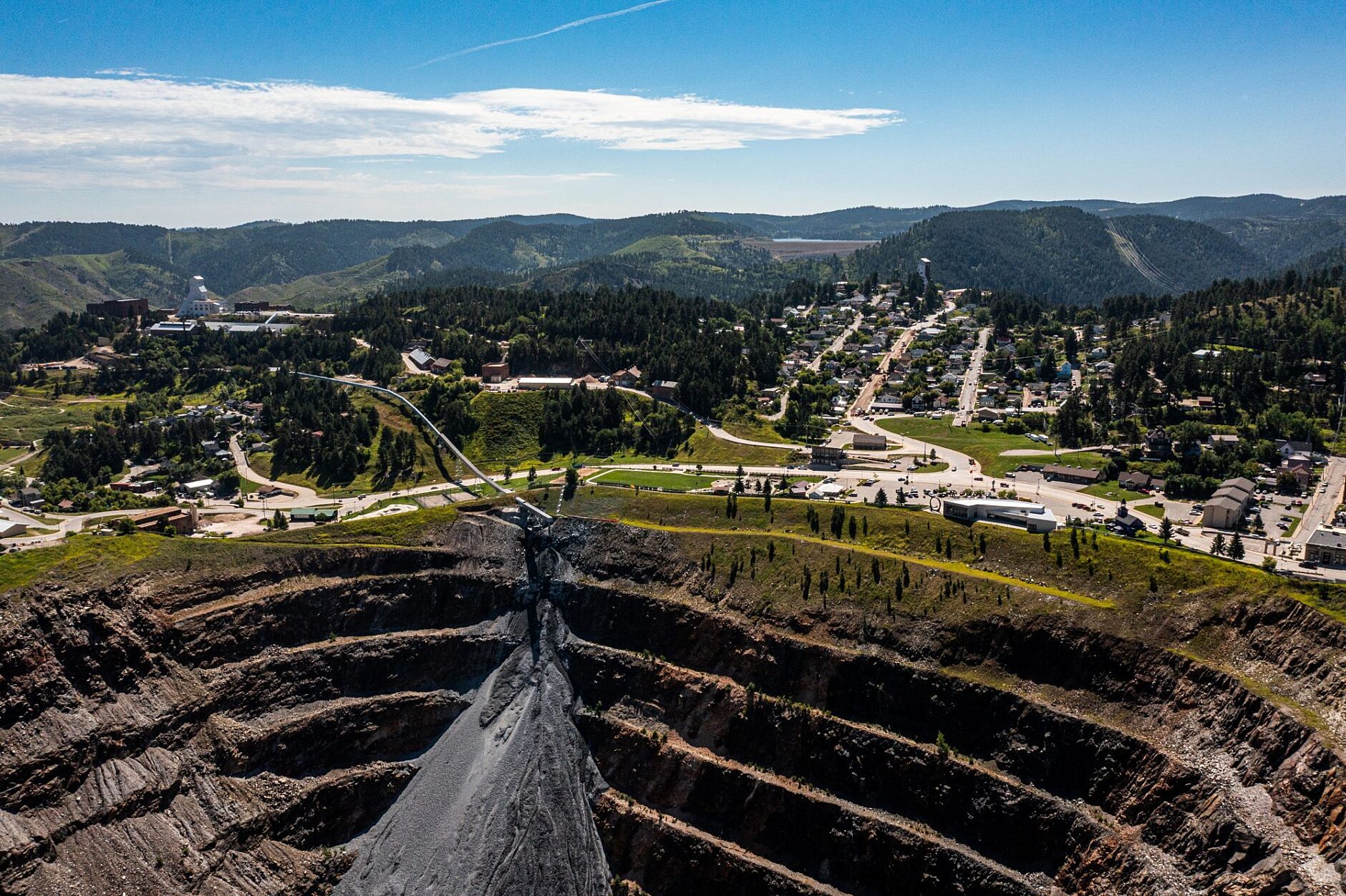
A conveyor carried almost 800,000 tons of rock excavated a mile underground (Credit: Stephen Kenny, Sanford Underground Research Facility)
The project team succeeded through a highly collaborative and innovative approach. Integrating civil and mine development perspectives helped reduce risk and support cost-effective construction. The project also required an extensive geotechnical investigation program deep underground, along with assessments of existing mine conditions to support the design of the large cavern spans and drift intersections. Digital 3D modeling helped the team evaluate transport clearances for large and unusually shaped materials and equipment. An early full-scale test blast program established parameters for production blasting, and raise boring methods helped create ventilation pathways that supported efficient advancement of multiple headings.
Delve Underground is honored to have contributed to an award-winning project that will support groundbreaking scientific research for many years to come.
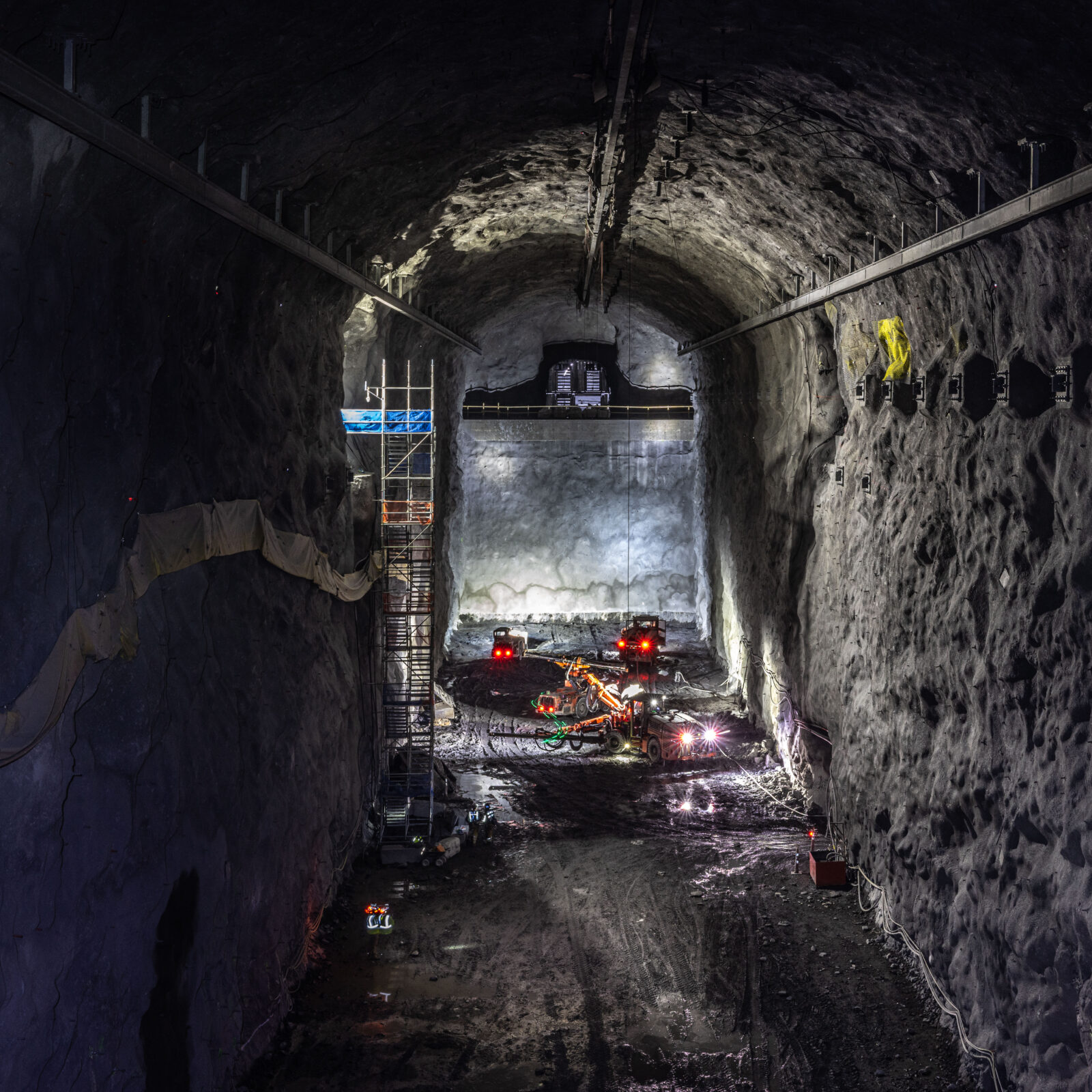
Tunneling in the North Cavern
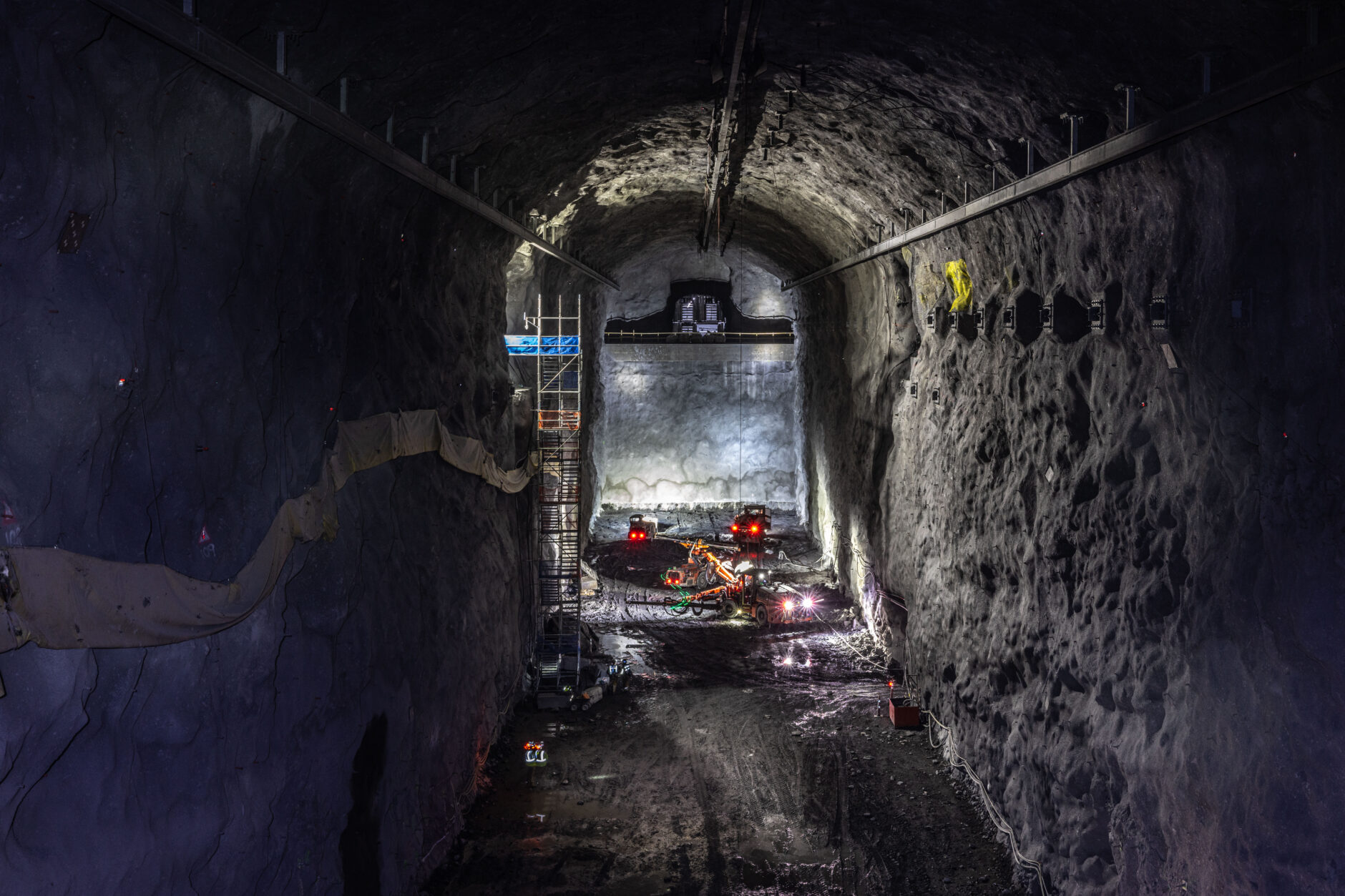
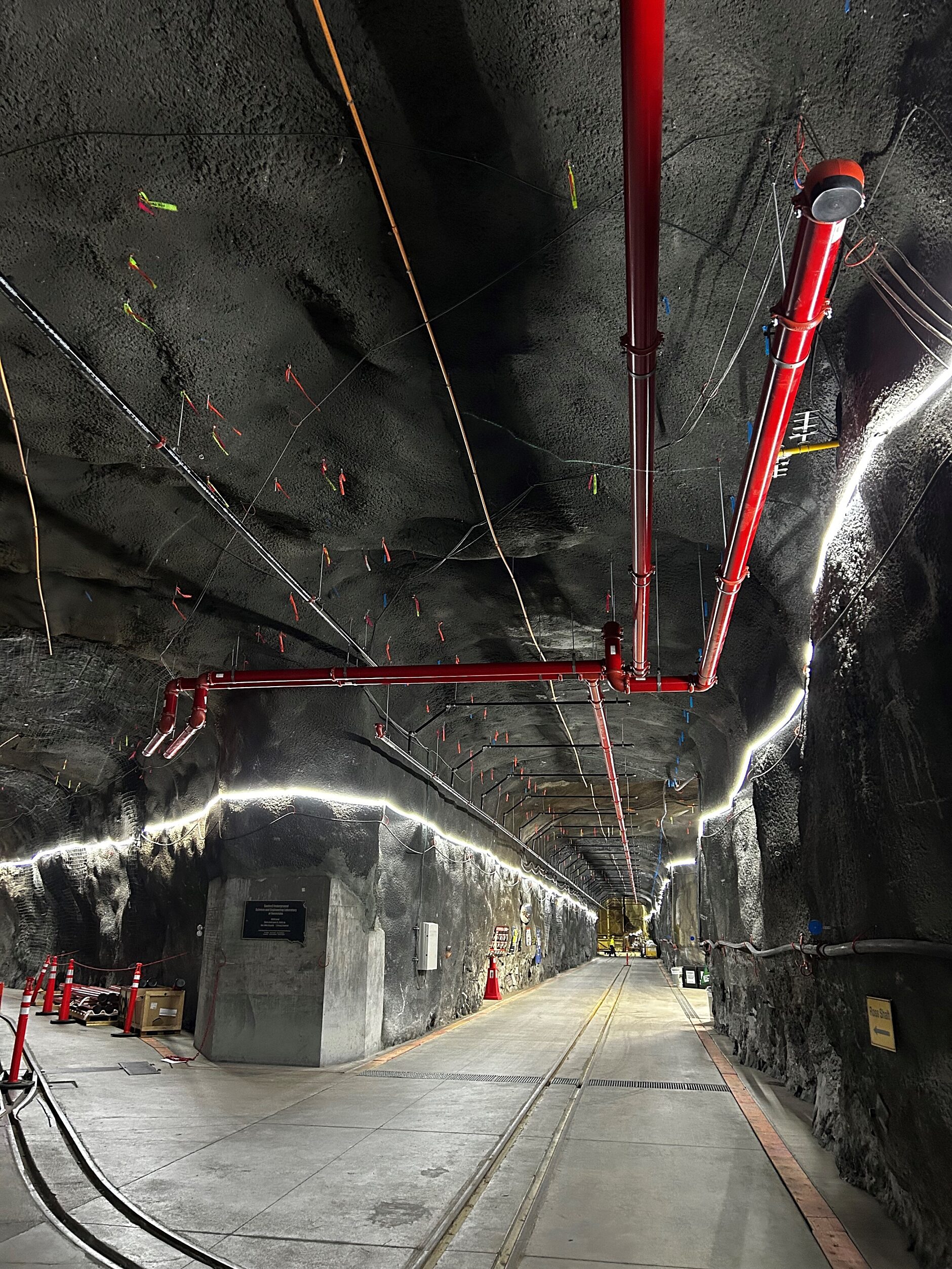
Fit-out of utilities to support the experiment
Mark Havekost
Principal Engineer
“The Long-Baseline Neutrino Facility project combined complex geotechnical conditions, large-scale underground excavation, and major logistical demands requiring innovation and close collaboration. Delve Underground was honored to support the project from planning through construction and help deliver this extraordinary underground facility.”